
In today’s digital world, social media has become a place where people spend most of their time. Platforms like Facebook, Instagram, Twitter, and LinkedIn have millions of active users every day. Because of this, social media advertising has become a powerful tool for businesses.
Through social media advertising, you can reach people who are genuinely interested in your products or services. You can target your audience based on their age, location, interests, and behavior. This way, you deliver the right message to the right people at the right time.
Introduction of Social Media Advertising
A small post, an attractive ad, or a short video can help you connect with new customers. Social media advertising does not just build brand awareness; it also increases sales, improves customer loyalty, and boosts engagement.
What is Social Media Marketing
Social Media Marketing (SMM) is the practice of using social media platforms like Facebook, Instagram, Twitter, LinkedIn, and YouTube to promote your business, brand, products, or services. The goal is to connect with your audience, build a relationship, and drive engagement in order to increase awareness, generate leads, and grow your business.
Key Aspects of Social Media Marketing
1. Content Creation and Sharing
Social media marketing begins with creating engaging content. This includes text posts, images, videos, infographics, and stories that inform, entertain, or solve problems for your audience. By posting regularly and consistently, you keep your business on top of your customers’ minds.
2. Paid Advertising
Social media platforms offer paid advertising options that allow you to reach a broader audience. Through targeted ads, you can reach people based on their interests, location, age, behavior, and more. Ads help increase visibility and attract potential customers who are interested in your business.
3.Building Relationships
Social media is not just about posting ads. It’s also about engaging with your audience. Respond to comments, answer messages, and participate in conversations to build a loyal community. Engaging with your followers humanizes your brand and makes it more relatable.
4. Brand Awareness
Consistently posting content and interacting with your audience increases your brand’s visibility. Social media platforms allow your brand to reach people far beyond your immediate network, helping you build a larger following and expand your reach globally.
5. Monitoring and Analysis
Social media marketing also involves tracking and measuring the effectiveness of your efforts. By analyzing metrics like likes, shares, comments, and conversions, you can understand what content works best and adjust your strategy for better results.
Benefits of Social Media Marketing
- Improve your brand
- Engage the audience
- Promote customer service
- Impact sales and conversion rates
- Become a thought leader
- Study the competition
- Improve SERP presence
- Boost website traffic
- Attract top-of-funnel leads
- Earn greater ROI
- Retarget missed customers
- Learn about your audience
- Build partnerships
- Keep up with industry trends
- Acquire talent
Increased Brand Awareness:
Social media helps your business get discovered by a larger audience. With regular posts and interactions, your brand becomes more visible to potential customers, increasing awareness and recognition.
Improved Customer Engagement:
Social media platforms provide a direct line to your customers. You can engage with them through comments, direct messages, and interactive content, which helps build stronger relationships.
Targeted Audience
Reach Social media allows you to target your ads to specific demographics, such as age, location, interests, and behaviors, ensuring your content reaches the people most likely to buy from you.
Cost-Effective Marketing
Compared to traditional marketing methods like print ads or TV commercials, social media marketing is much more affordable. It offers a high return on investment (ROI) for businesses of all sizes.
Drive Traffic to Your Website
By sharing links to your website, blog, or online store, social media can drive traffic and increase the number of visitors, helping you generate leads and sales.
Increased Conversions and Sales
Social media advertising and posts that showcase products or services effectively can drive direct sales. Engaging content like promotions or special offers can encourage users to make a purchase.-Enhanced Customer Insights
Social media platforms offer analytics tools that help you understand your audience’s behavior, preferences, and needs. These insights allow you to tailor your marketing strategies and improve your content
Brand Loyalty and Trust
Consistent communication and valuable content help build trust with your followers. Engaging with customers on social media shows your brand is accessible, fostering loyalty and encouraging repeat business.
Better SEO (Search Engine Optimization)
Social media signals, like shares and interactions, can indirectly improve your search engine rankings. Content that performs well on social media can lead to more website visits and higher rankings on search engines.
Effective Content Distribution
Social media platforms are excellent for distributing your content, whether it’s blog posts, videos, or articles. This helps spread your message to a wider audience, increasing the chances of your content being seen and shared.
Real-Time Feedback
Social media provides a fast and easy way to gather feedback from customers. You can learn what people like or dislike about your products or services, allowing you to make quick improvements.
Competitive Advantage
Being active on social media allows you to stay ahead of your competitors by monitoring their strategies and engaging with your audience more effectively. You can adjust your approach to meet market trends and consumer needs.
Build Brand Authority
By consistently posting valuable and informative content, you can position your brand as an industry leader. When people see your business as a trusted expert, they are more likely to engage with and purchase from you.
Humanize Your Brand
Social media offers a platform where you can show the human side of your business. Share behind-the-scenes moments, employee stories, and user-generated content to create a more relatable and personal brand image.
Networking Opportunities
Social media can be a great platform for networking with influencers, industry leaders, and other businesses. Building partnerships and collaborations through social media can expand your reach and create new growth opportunities.
These 15 benefits highlight how social media marketing can provide significant value to businesses. Whether it’s increasing visibility, driving sales, or building stronger relationships with customers, SMM is an essential tool for growth in today’s digital world.
Improve your social media marketing today
To improve your social media marketing today, start by setting clear goals and understanding your audience. Create engaging content that resonates with them and post consistently. Use paid ads to reach more people and engage with your followers to build a strong community. Track your performance through analytics, and adjust your strategy based on what works. Stay up-to-date with trends and be authentic in your posts. By staying consistent and focused, you can see better results in your social media marketing efforts.
Social media marketing statistics
Here are some key Social Media Marketing Statistics that highlight its impact and importance for businesses:
- Over 4.7 billion people use social media worldwide (Statista, 2025), making it a massive platform for reaching potential customers.
- 91% of businesses use social media for marketing, with 73% claiming that their efforts through social media have been “somewhat effective” or “very effective” (Buffer, 2024).
- Over 54% of social media users use social media to research products before making a purchase decision (GlobalWebIndex, 2024).
- 74% of marketers say social media marketing has increased their website traffic (HubSpot, 2023).
- Video posts on social media receive 48% more engagement than other types of content (WordStream, 2024).
- Facebook remains the most popular social media platform for marketers, with 93% of marketers using it (Statista, 2023).
- Instagram’s engagement rate is 10 times higher than Facebook’s, making it a great platform for reaching younger audiences (Hootsuite, 2023).
- Social media ads are responsible for 25% of all digital advertising spending (eMarketer, 2024).
- 72% of Instagram users have bought a product they saw on the platform (Instagram, 2024).
- LinkedIn is the most effective platform for B2B marketing, with 80% of B2B leads coming from LinkedIn (HubSpot, 2023).
These statistics show how powerful social media is for businesses when used correctly, offering increased brand visibility, customer engagement, and sales opportunities.
Benefits of social media marketing for your business needs
Here are the key benefits of social media marketing for your business needs:
1. Increased Brand Awareness:
Social media platforms help you reach a large audience, making it easier for people to discover your brand and products.
2. Targeted Audience Reach:
Social media allows you to target specific demographics (age, interests, location) to reach the people most likely to be interested in your business.
3. Cost-Effective Marketing:
Compared to traditional advertising methods, social media marketing is more affordable and provides a high return on investment (ROI).
4. Better Customer Engagement:
You can directly interact with customers through comments, messages, and posts, helping you build strong relationships and trust.
5. Boosted Website Traffic:
Sharing content and links on social media directs more visitors to your website, leading to potential sales or leads.
6.Improved SEO:
Social media activity can improve your search engine ranking, as more engagement and traffic can positively affect your website’s visibility.
7. Higher Conversion Rates:
Social media ads and posts can drive more conversions by encouraging people to take action, such as making a purchase or signing up for a newsletter.
8. Competitive Advantage:
Being active on social media helps you stay ahead of your competitors by keeping you visible and engaged with your audience.
9. Real-Time Feedback:
Social media provides quick feedback from customers, allowing you to improve products or services based on their suggestions.
10. Enhanced Brand Loyalty:
Regularly interacting with your customers on social media creates a sense of community, leading to stronger customer loyalty and repeat business.
By leveraging social media marketing, businesses can grow their online presence, build relationships with customers, and increase their sales potential.
Research your target audience and select your networks
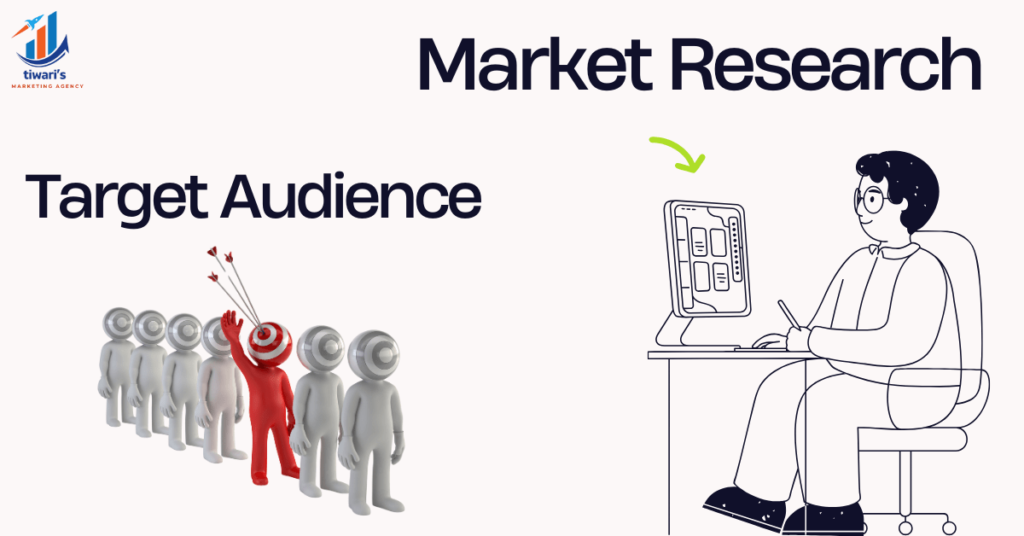
Researching your target audience and selecting the right social media networks is crucial for a successful social media marketing strategy. Here’s how you can do it:
1. Identify Your Target Audience:
- Demographics: Understand key factors like age, gender, location, income level, and education.
- Psychographics: Look into their interests, values, lifestyle, and hobbies.
- Behavior: Know what problems they are trying to solve, what content they consume, and how they interact with social media (e.g., do they prefer videos, images, or written content?).
- Pain Points: Identify challenges or needs that your products or services can solve.
2. Choose the Right Social Media Platforms:
- Once you know who your audience is, selecting the right platforms to reach them becomes much easier. Here’s a breakdown of the most popular social media platforms and who they are best for:
- Facebook: Great for reaching a broad audience, especially people aged 25-54. Ideal for B2C businesses and community-building.
- Instagram: Perfect for visual content and appealing to younger demographics (18-34). Best for lifestyle, fashion, beauty, and food-related businesses.
- LinkedIn: The go-to platform for B2B marketing, professional services, and thought leadership. Best for targeting professionals and businesses.
- Twitter: Effective for real-time updates, news, and customer service. Popular with people aged 18-49.
- Pinterest: Excellent for e-commerce businesses, especially those in fashion, home decor, and DIY. Great for reaching predominantly female audiences.
- TikTok: A highly engaging platform for reaching younger audiences (16-24). Great for brands that want to get creative with short videos and viral trends.
- YouTube: Best for long-form content like tutorials, reviews, and entertainment. A great platform for businesses that can create engaging video content.
3. Analyze Competitors and Industry Trends:
- Competitor Research: See where your competitors are active and analyze the content they post, their engagement rates, and the platforms they focus on. This can give you valuable insights into where your target audience is most active.
- Trends: Stay updated on current trends in your industry. Platforms like Twitter and Instagram are often at the forefront of viral content and trends, which can help you reach a broader audience.
4. Test and Optimize:
Once you’ve chosen your platforms, start by posting content tailored to each platform’s strengths. Monitor performance closely using analytics tools, and adjust your strategy based on the results. Testing different types of content, times of posting, and paid ads can help you find what works best.
Conclusion:
By researching your target audience and carefully selecting the right networks, you can ensure your social media marketing efforts are efficient, relevant, and impactful. Choose platforms that align with your audience’s preferences, and consistently engage with them in a meaningful way!
ABOUT THE AUTHOR
Tiwari Digital Agency is your trusted partner in the digital world. With a passion for creativity and results, we specialize in SEO, social media marketing, and online advertising to help brands grow faster and smarter. Our team is dedicated to crafting powerful strategies that connect businesses with their perfect audience. Let’s build your digital success story together!
FAQ About Social Media
Social media marketing means promoting your brand, products, or services on platforms like Facebook, Instagram, and LinkedIn to grow your business and engage customers.
Social media marketing helps businesses build brand awareness, connect with customers, drive website traffic, and increase sales quickly and cost-effectively.
The best platforms for marketing are Facebook, Instagram, LinkedIn, Twitter, and YouTube, depending on your target audience and business goals.
Yes, small businesses can greatly benefit from social media marketing by reaching a wider audience, increasing brand visibility, and engaging with customers at a low cost.